
Cosmetic Dentistry & Orthodontics
Porcelain Veneers
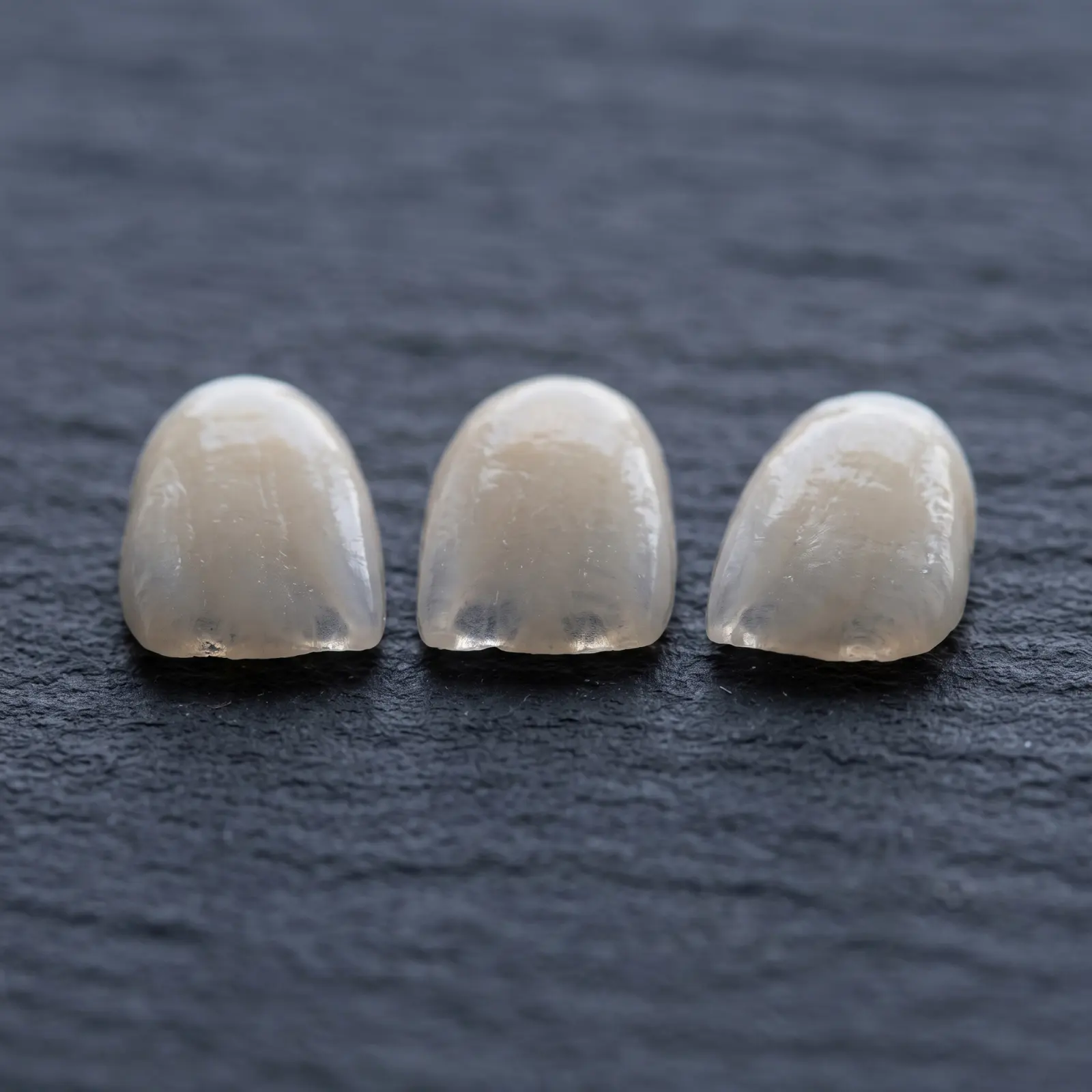
Thin, custom-made ceramic shells permanently bonded to the front surface of the teeth. This is for patients looking to correct severe discoloration, chipping, or minor misalignment with a durable, long-lasting aesthetic solution.
Technologies
Without intervention
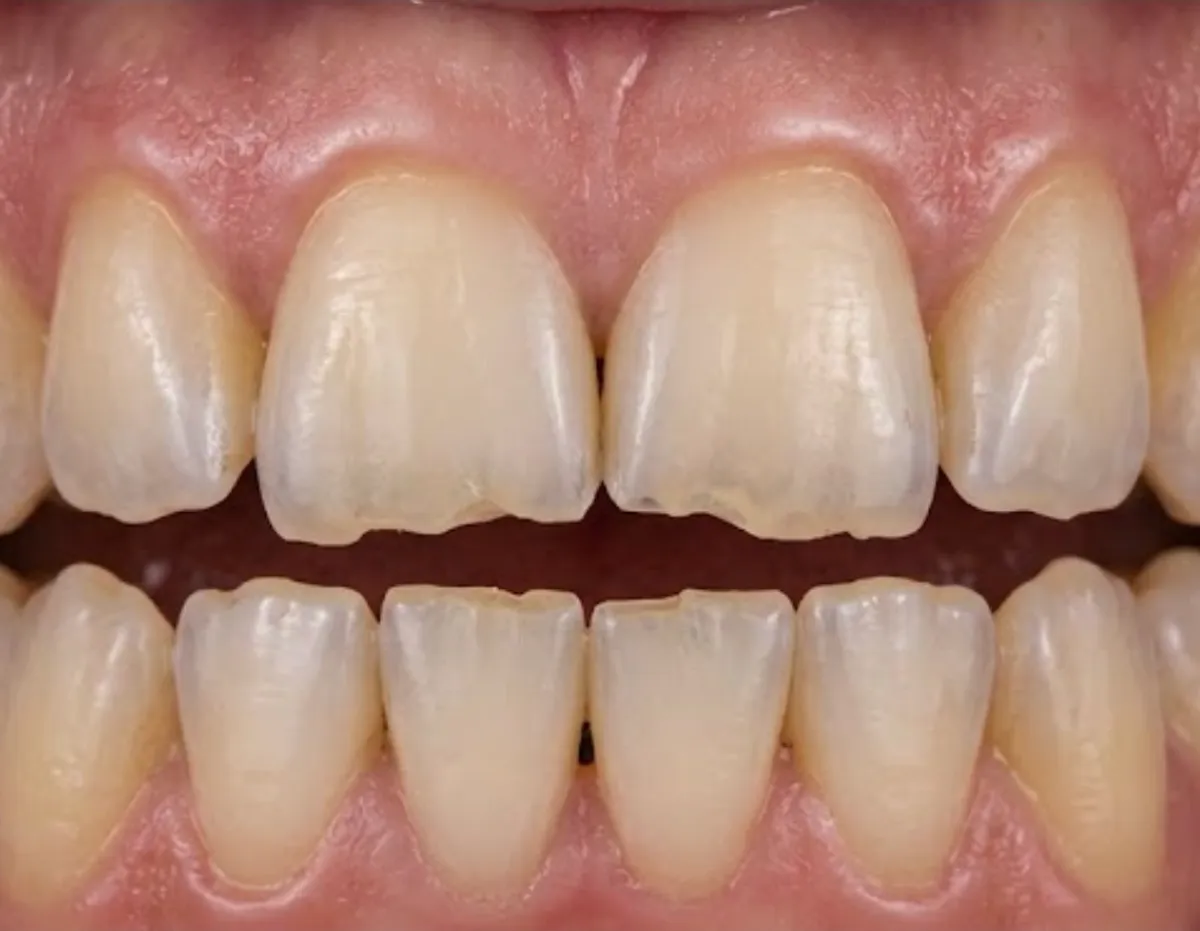
Worn edges and dark enamel continue to show. Bonding can delay the need for ceramics but lasts a shorter time under heavy load.
Leaving marked wear without a plan can lead to further chipping and a more complex rebuild later.
- Duration
- Two visits after the plan is agreed
- Recovery
- None in most cases
- Longevity
- 10-15 years with careful bite and hygiene
- Anesthesia
- Local
Methodology
Appointment Structure
Step 1. Plan
Shade and shape are confirmed from the smile design records.
Step 2. Preparation and temps
A thin layer of enamel is prepared. Temporary veneers protect the teeth while the ceramics are made.
Step 3. Fit
The porcelain is tried in, bonded, and the bite is checked.
Outcomes
Clinical cases
Photographic documentation of completed treatment plans
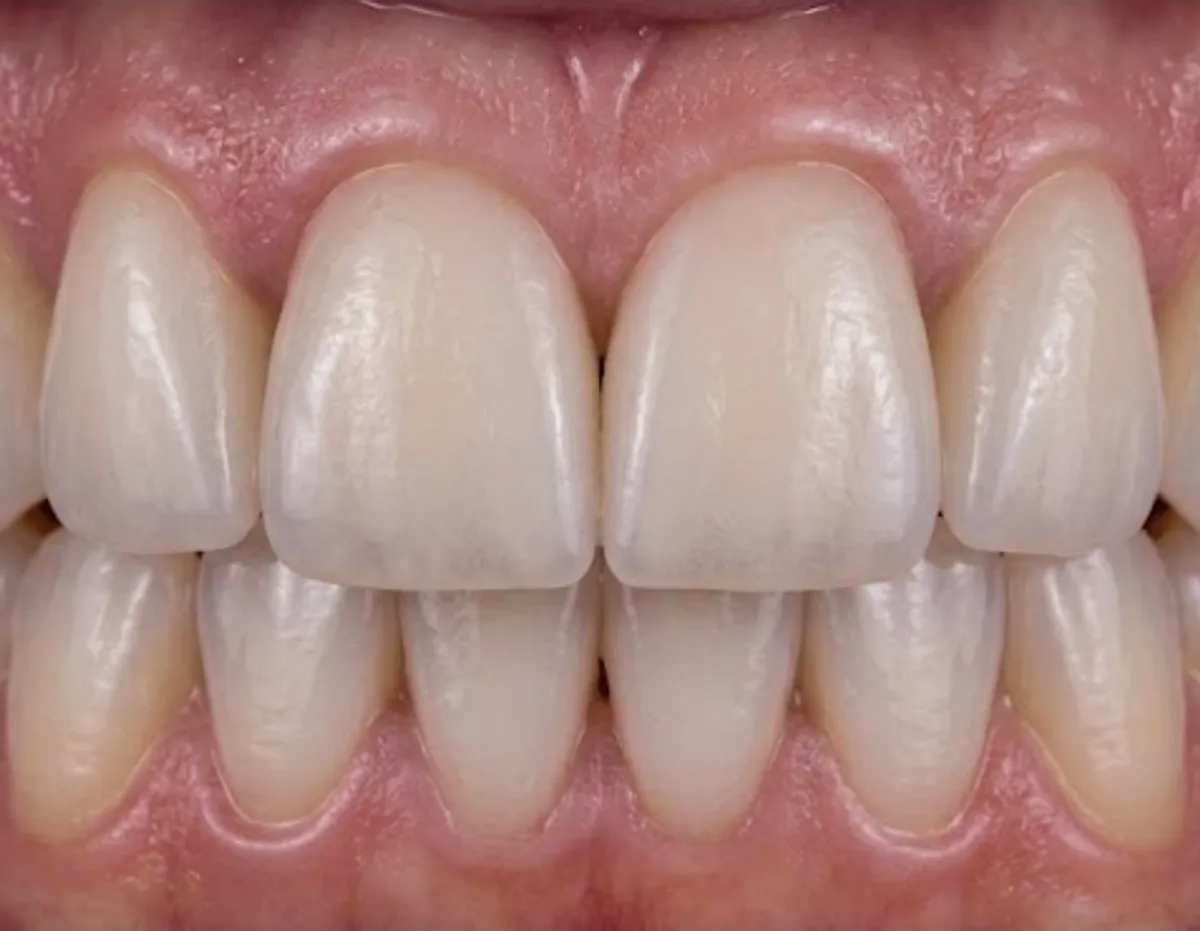 BeforeAfter
Female, 40s · Three visits over six weeks
Upper veneers after edge wear
Ten upper porcelain veneers at Marylebone. The tooth position was agreed on a RayFace scan before preparation. Dr Julian Chen.
The team
Specialists
Clinicians who perform Porcelain Veneers.

Guidance
Questions
How many teeth do I need?
Often eight to ten upper teeth for a balanced result. The number is set at the design review.
Will my temps look finished?
Temps are functional and presentable. The final porcelain has higher translucency and polish.
Related
Related treatments
Alternatives and pairings often considered alongside this care.
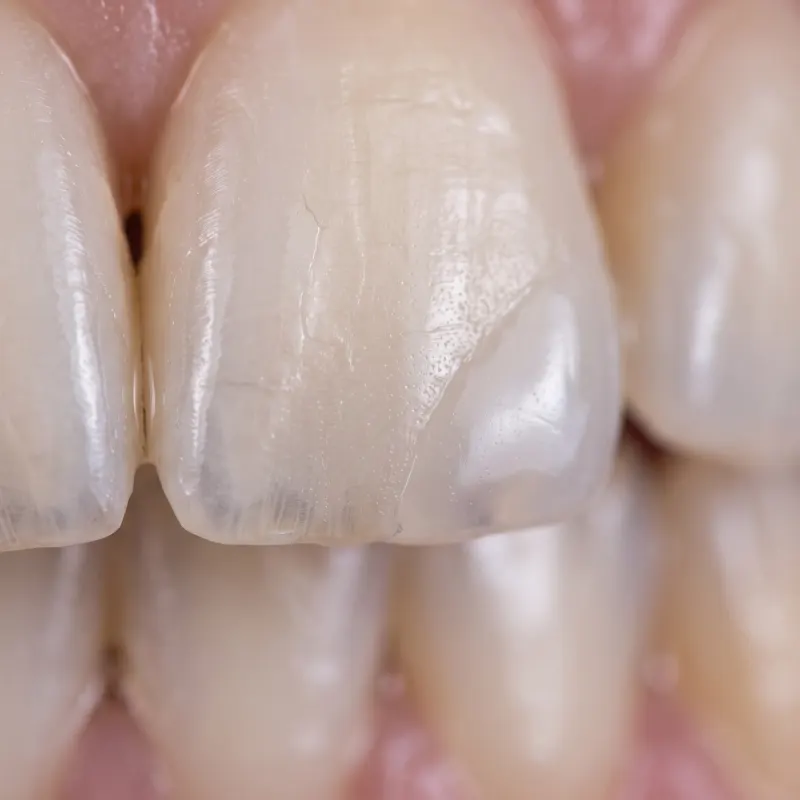
Composite Bonding
Tooth-coloured resin added to chips, edges, and small gaps in one visit. Healthy enamel is left alone in straightforward cases.
View treatment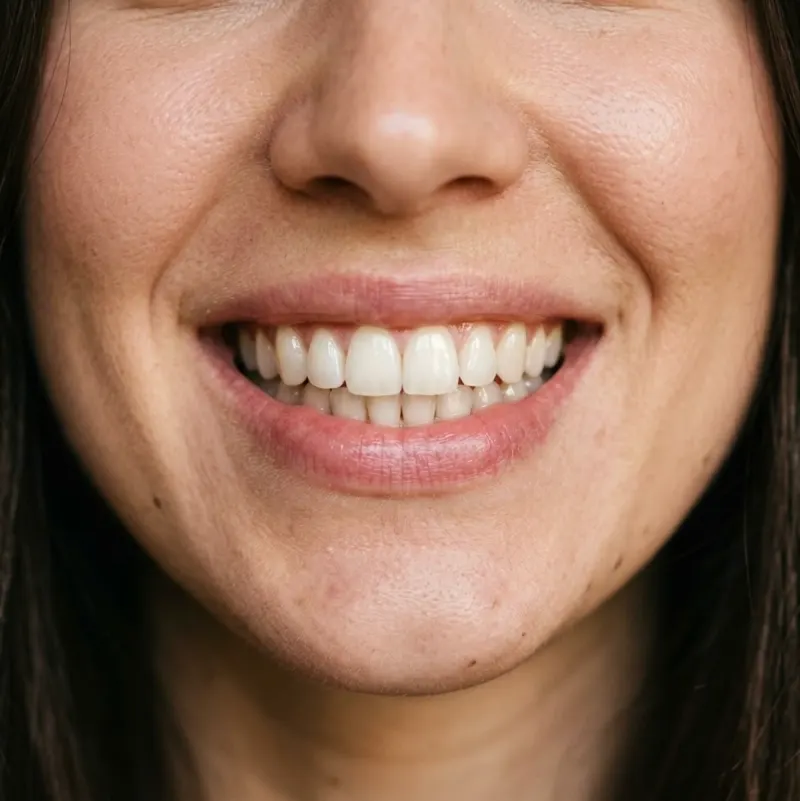
Tooth Whitening
Supervised peroxide whitening with custom trays or a single in-surgery cycle. Crowns and veneers do not change colour.
View treatment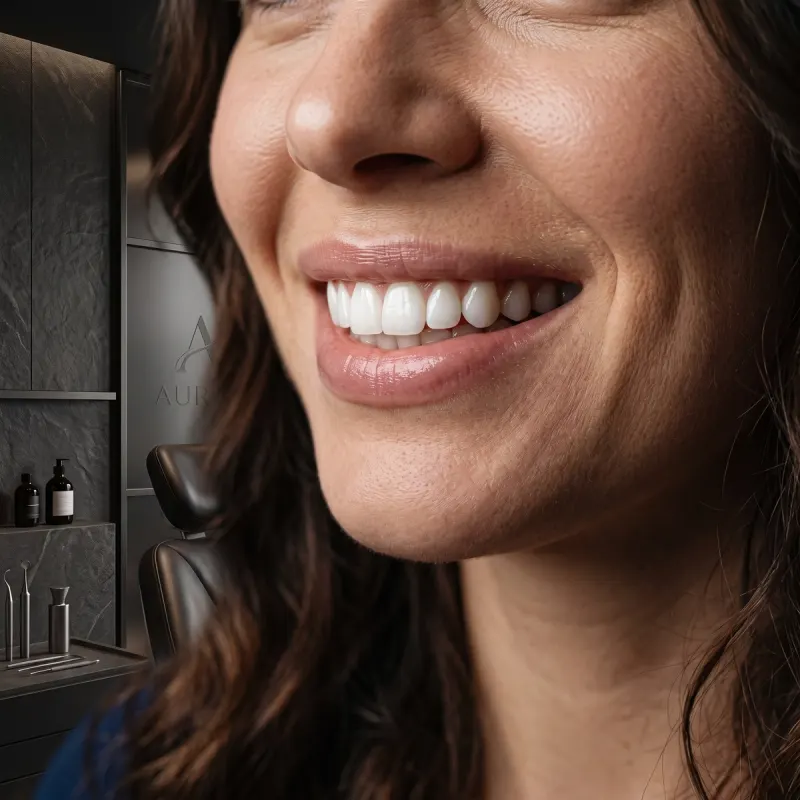
Smile Makeover (Digital Smile Design)
Photographs, a facial scan, and a trial smile so tooth position can be agreed before veneers, bonding, or whitening begin.
View treatment