
Cosmetic Dentistry & Orthodontics
Composite Bonding
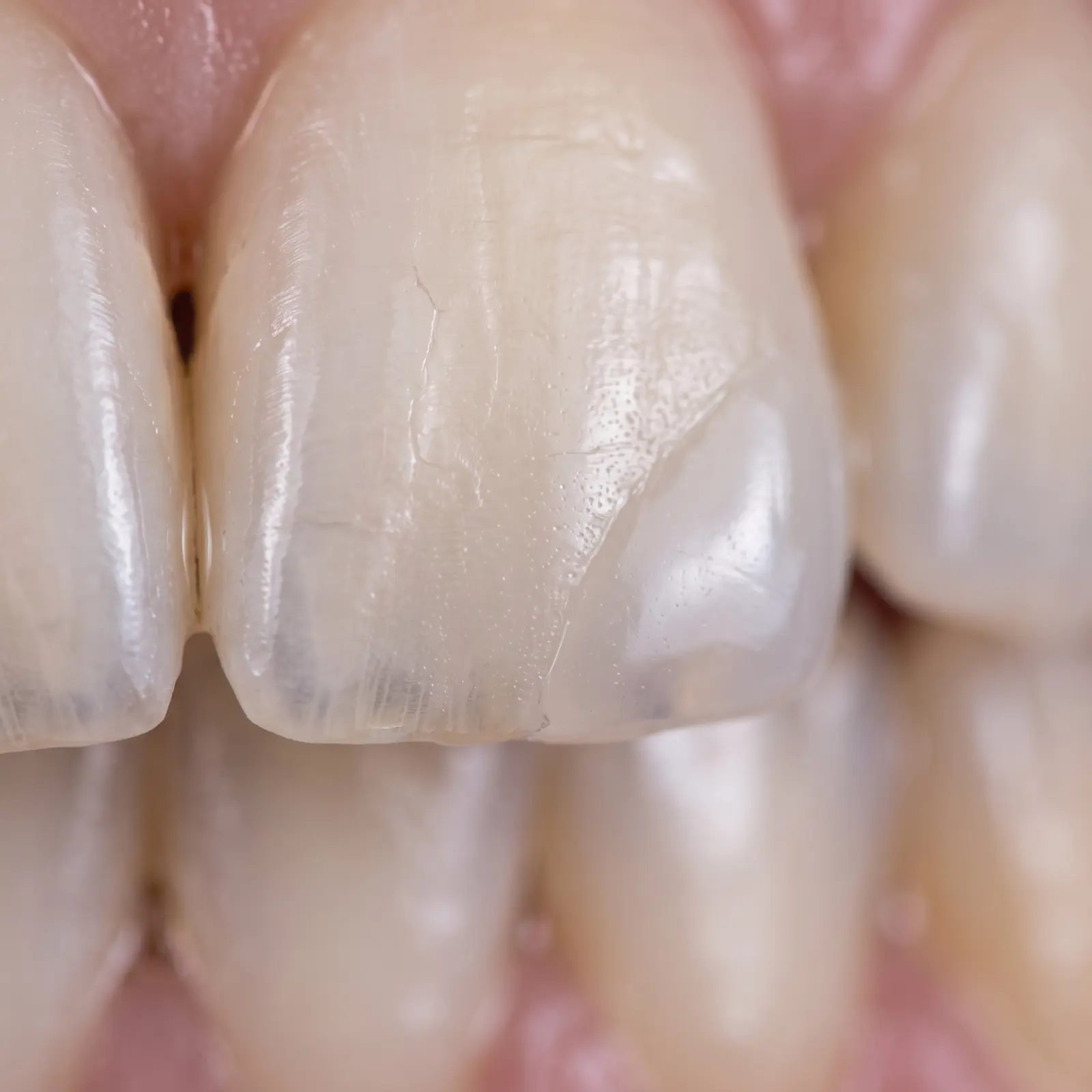
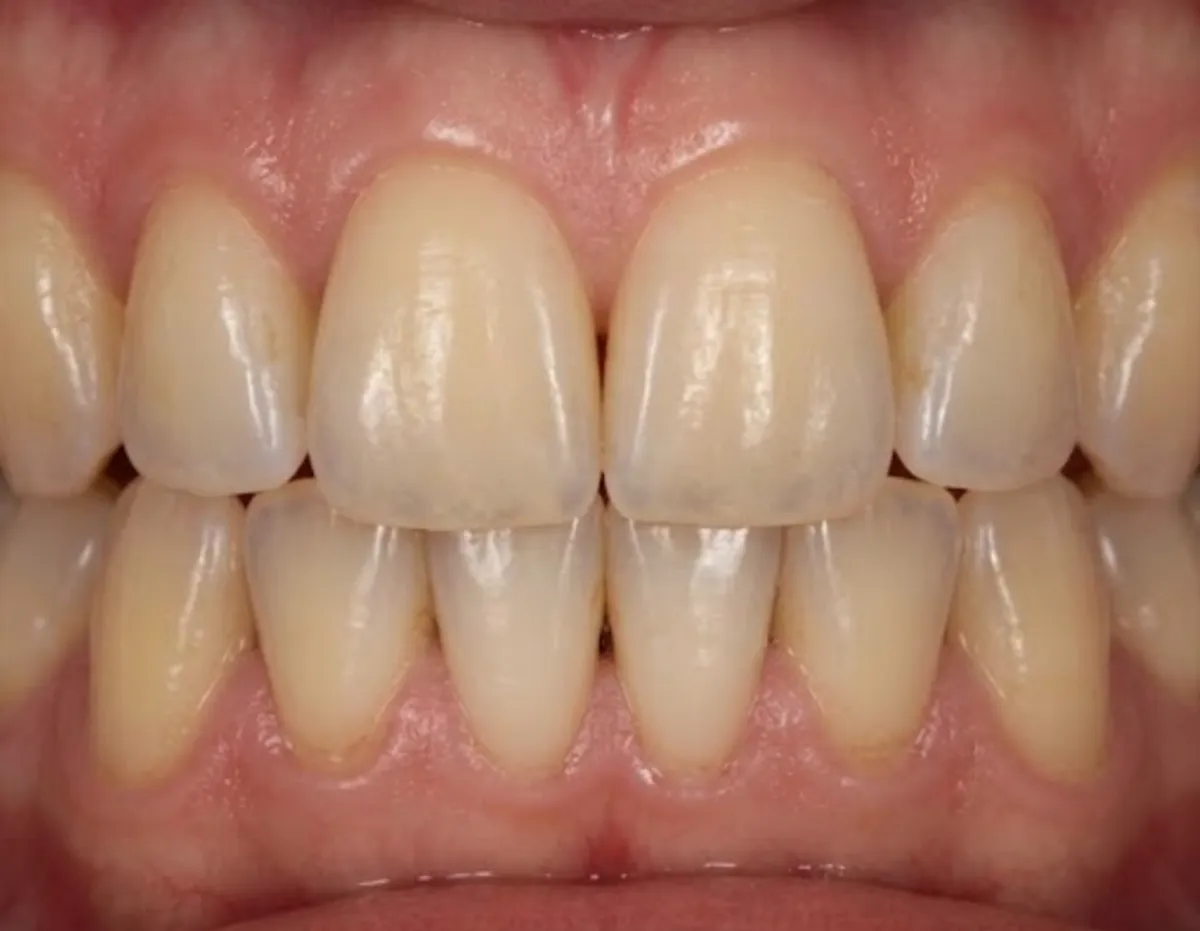
The application of tooth-colored composite resin to the edges or surfaces of the teeth to improve their shape and color. This is for patients seeking a conservative, minimally invasive fix for chipped, gapped, or slightly worn teeth.
Technologies
Without intervention
Chips and gaps remain. Edges can wear further and become harder to restore neatly.
- Duration
- 1-2 hours
- Recovery
- None
- Longevity
- 3-7 years depending on bite and habits
- Anesthesia
- None in most cases
Methodology
Appointment Structure
Step 1. Shade and isolation
Colour is selected and the tooth is kept dry for bonding.
Step 2. Layering
Resin is added, shaped, and cured in thin layers.
Step 3. Finish
The surface is polished and the bite is checked.
Outcomes
Clinical cases
Photographic documentation of completed treatment plans
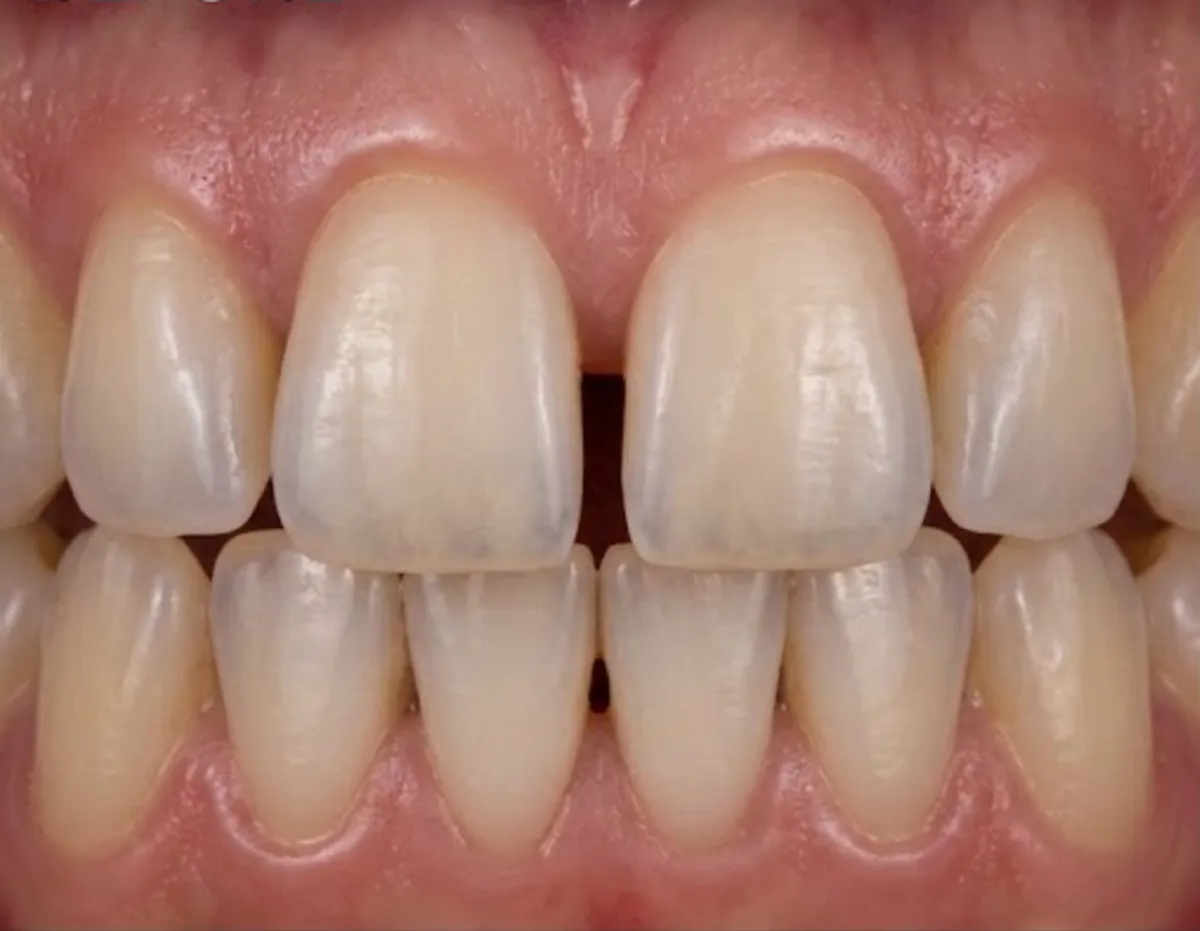
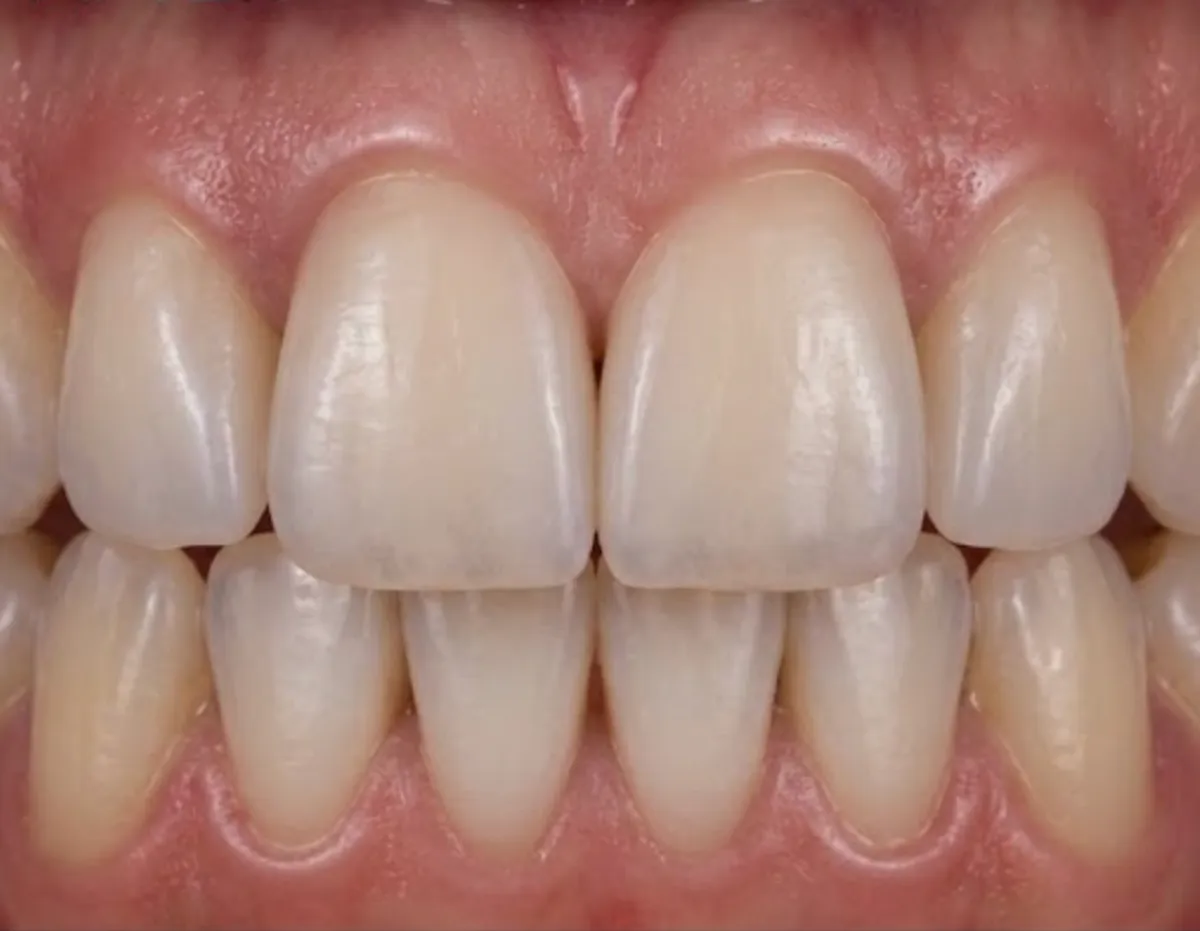 BeforeAfter
Male, 30s · One visit
Composite bonding to close small gaps
Bonding on four upper front teeth at Richmond Studio. No enamel was removed. Dr Marcus Vance.
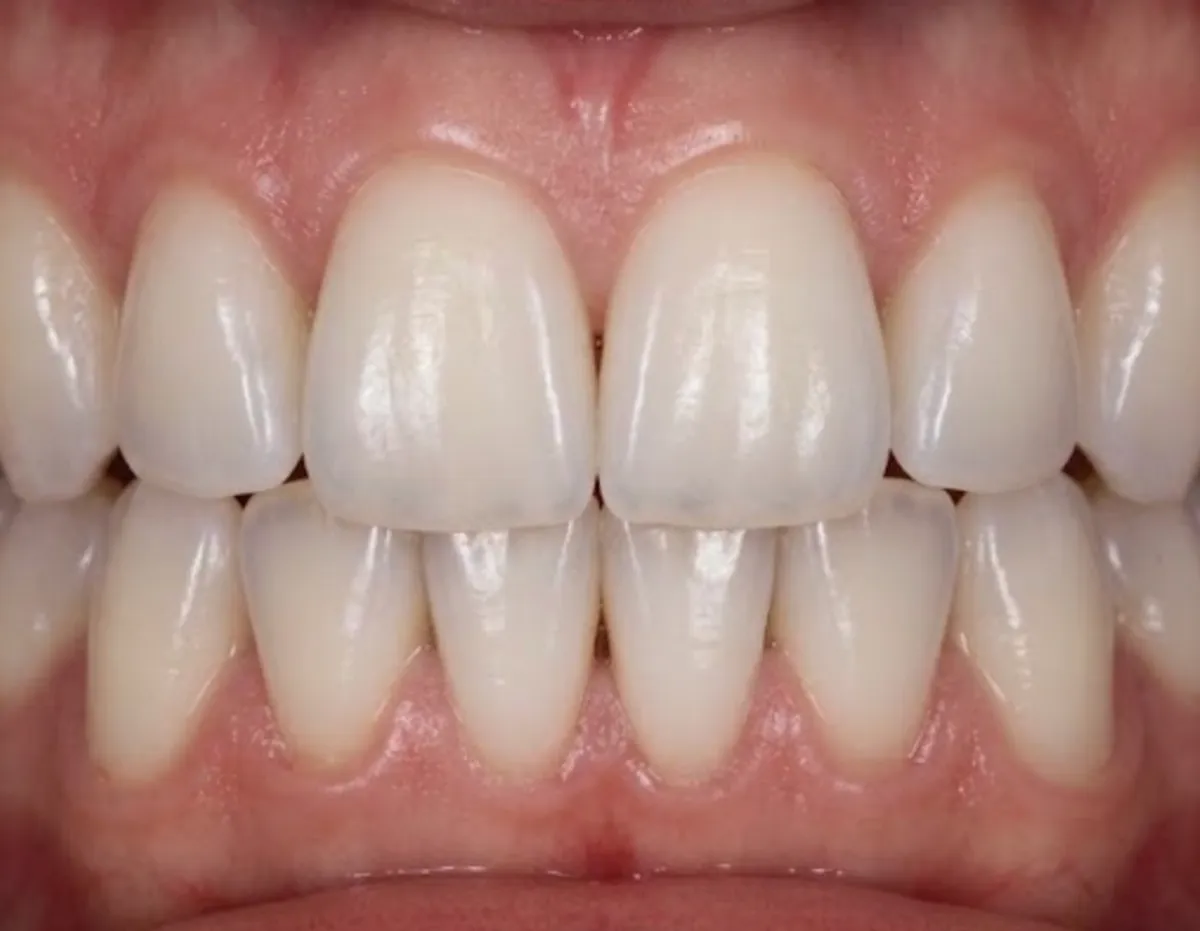 BeforeAfter
Male, 20s · Two weeks of trays, then bonding
Home whitening before bonding
Supervised whitening at Richmond, followed by composite bonding on two chipped incisors. Dr Julian Chen planned the shade; bonding was completed at Richmond.
The team
Specialists
Clinicians who perform Composite Bonding.


Guidance
Questions
Is enamel drilled away?
Often no. Preparation is minimal unless old bonding is being replaced.
Can bonding replace veneers?
For small changes, yes. For a full smile redesign, porcelain is more stable.
Related
Related treatments
Alternatives and pairings often considered alongside this care.
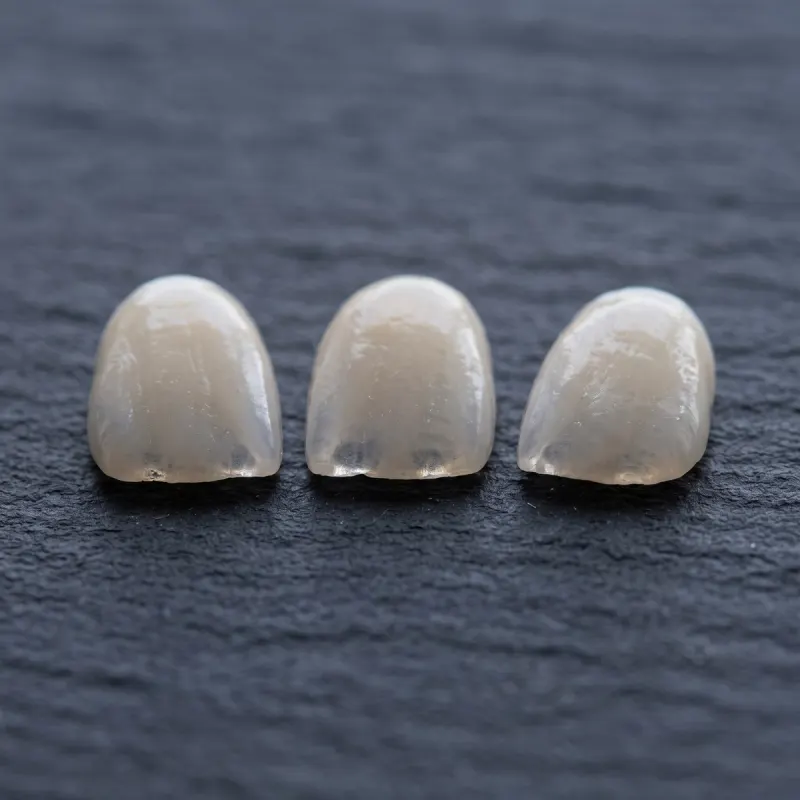
Porcelain Veneers
Thin ceramic facings for worn edges, gaps, and colour that whitening will not correct. Shape is agreed on a digital model before preparation.
View treatment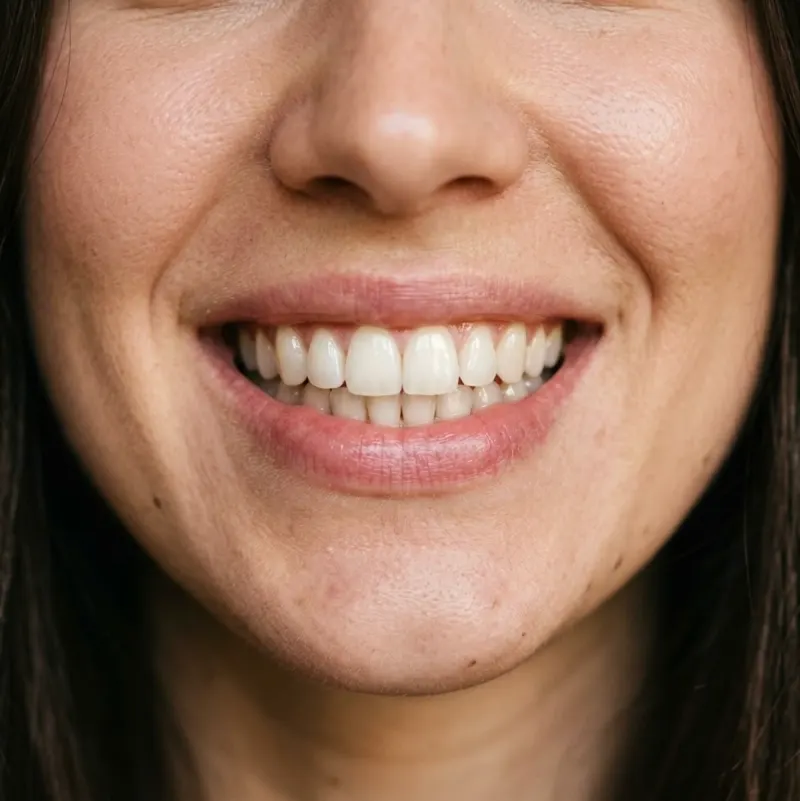
Tooth Whitening
Supervised peroxide whitening with custom trays or a single in-surgery cycle. Crowns and veneers do not change colour.
View treatment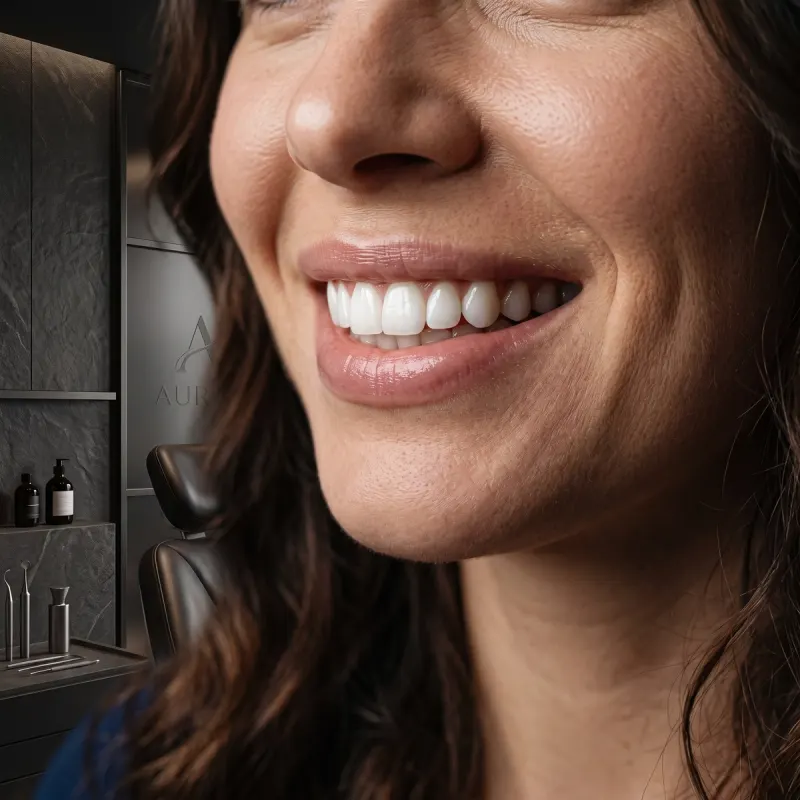
Smile Makeover (Digital Smile Design)
Photographs, a facial scan, and a trial smile so tooth position can be agreed before veneers, bonding, or whitening begin.
View treatment