
Diagnostics & Preventative Care
Periodontal Therapy
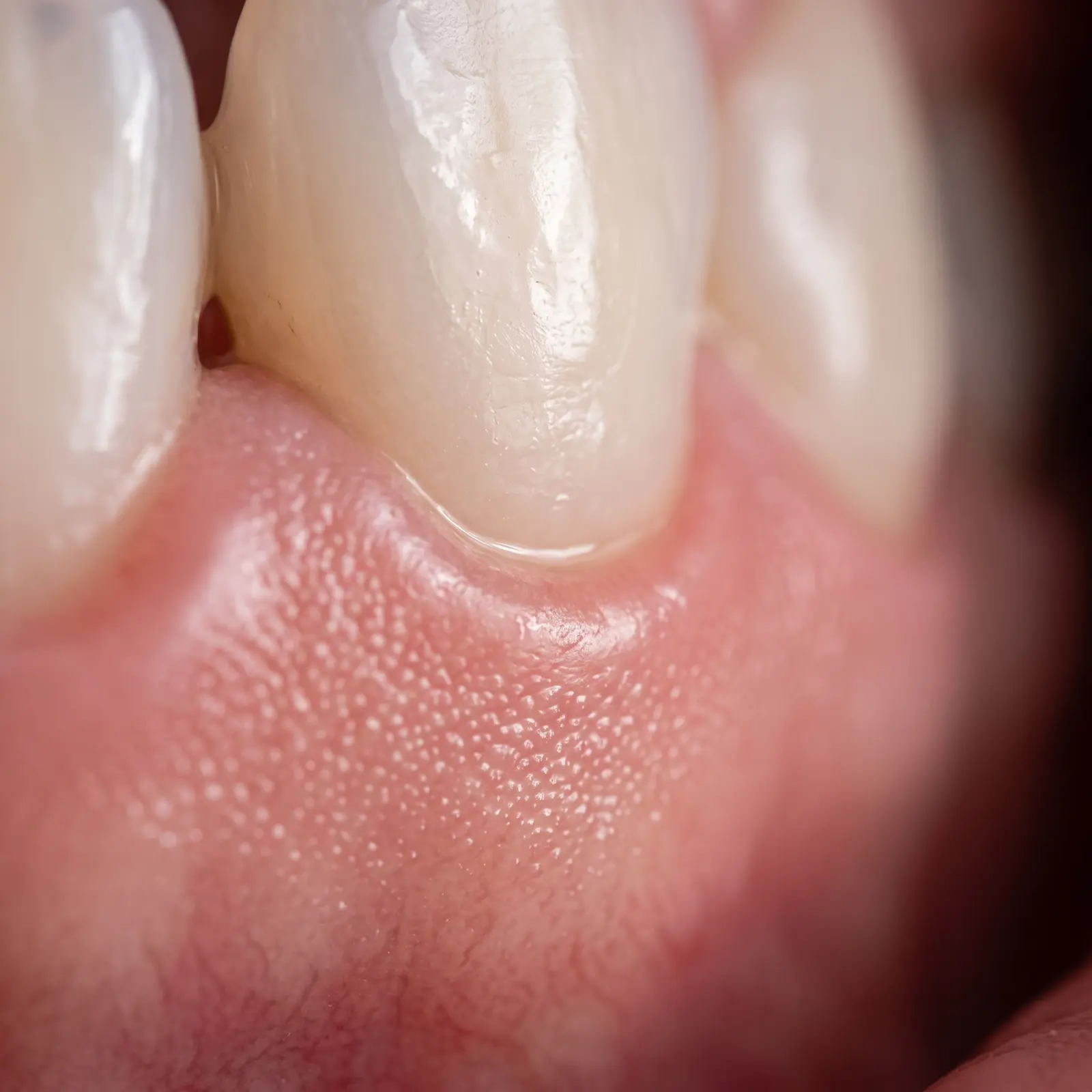
A targeted deep cleaning process to remove bacteria and tartar from below the gum line. This is for patients diagnosed with active gum disease who need to stabilize their gum health before proceeding with routine maintenance or restorative work.
If left untreated
Gum disease progresses quietly. Tooth mobility and tooth loss become more likely.
Cosmetic and implant work is less predictable on an inflamed foundation.
- Duration
- 45–60 mins per session
- Recovery
- Gum tenderness for several days
- Longevity
- Stable with maintenance on a set interval
- Anesthesia
- Local
Methodology
Treatment Stages
Step 1. Charting
Pockets, bleeding, and plaque are recorded as a baseline.
Step 2. Root surface treatment
Deposits under the gum are removed under local anaesthetic where needed.
Step 3. Review
Pockets are remeasured. You move to a maintenance interval with the hygiene team.
Outcomes
Clinical cases
Photographic documentation of completed treatment plans
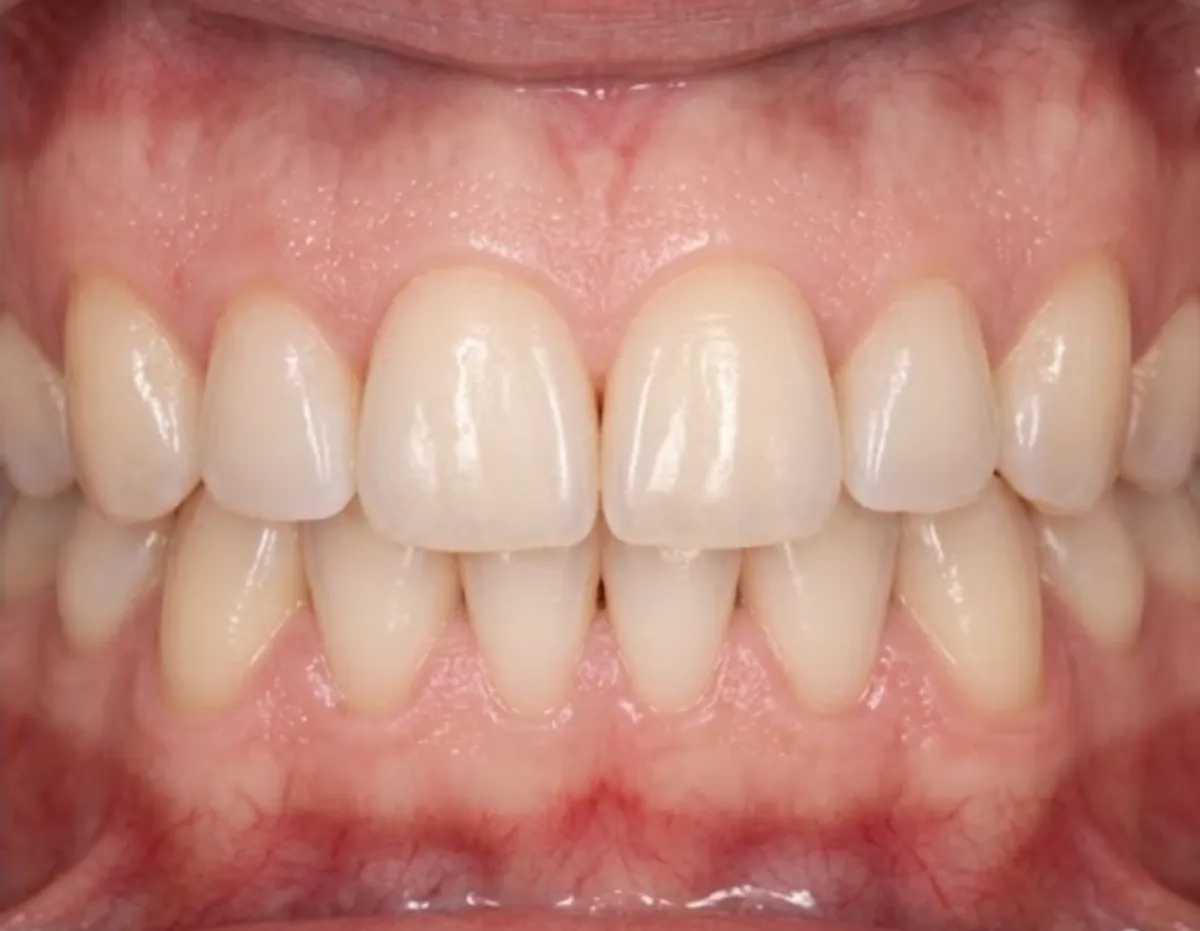 BeforeAfter
Sensitive content
This case includes graphic clinical photography. Reveal only if you want to view it.
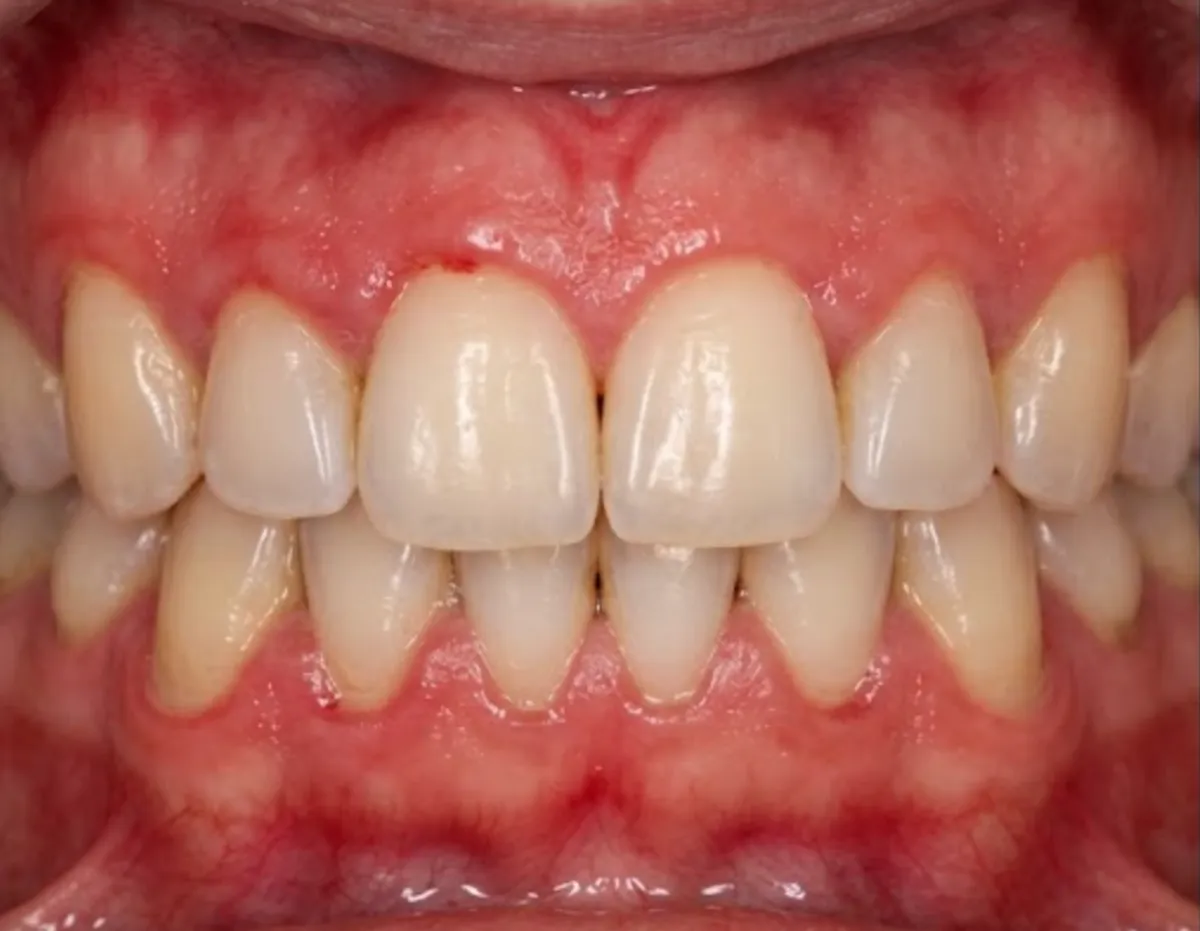
Male, 40s · Two treatment visits and a 12-week review
Pocket reduction after periodontal therapy
Non-surgical periodontal therapy at Marylebone. Maintenance was transferred to the hygiene diary. Dr Priya Patel.
The team
Specialists
Clinicians who perform Periodontal Therapy.

Guidance
Questions
Is this the same as a hygiene visit?
No. It targets established disease under the gum. Hygiene visits maintain the result afterwards.
Will my teeth feel looser?
Gums can shrink as inflammation settles, which may show more of the tooth. Mobility is reassessed at review.
Related
Related treatments
Alternatives and pairings often considered alongside this care.
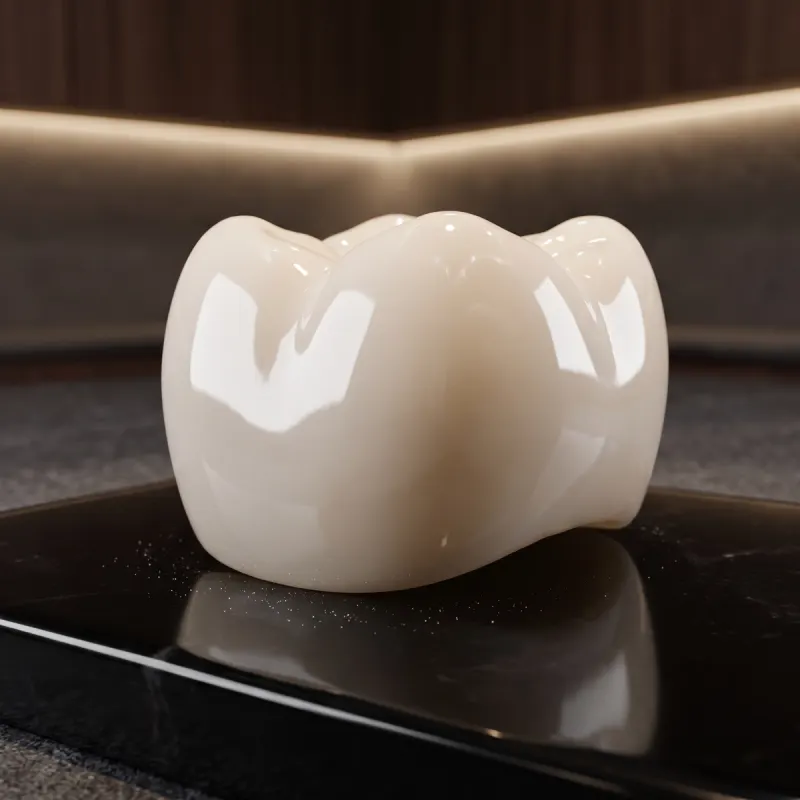
Advanced Airflow Hygiene
Guided biofilm therapy with Airflow, plus scaling where tartar remains. The visit ends with a written recall interval based on your gum chart.
View treatment
360° Comprehensive Assessment
A full clinical examination with photographs, scans where indicated, and a written plan for teeth, gums, bite, and facial concerns.
View treatment